Which Countertop Material Fits Your Kitchen
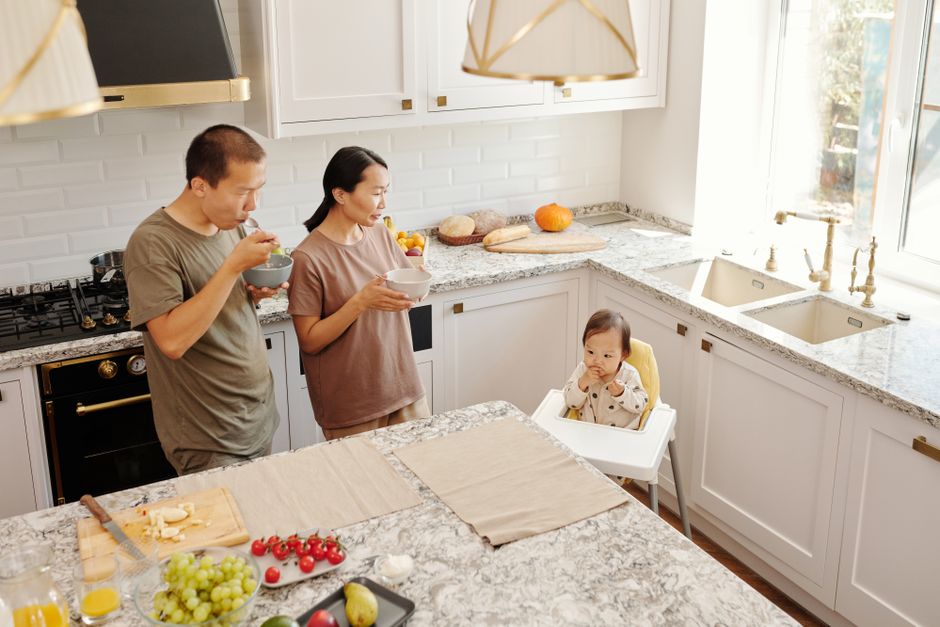
Everyone expects a stone countertop to shrug off a hot pan and a spilled glass of wine. Often the surface marks, etches or scorches instead. The material decides what happens, and countertops louisville boulder yellow cab sets out each one plainly for kitchens in Louisville, KY. The same few materials come up again and again, and each one fails in its own way.
Granite and its porosity
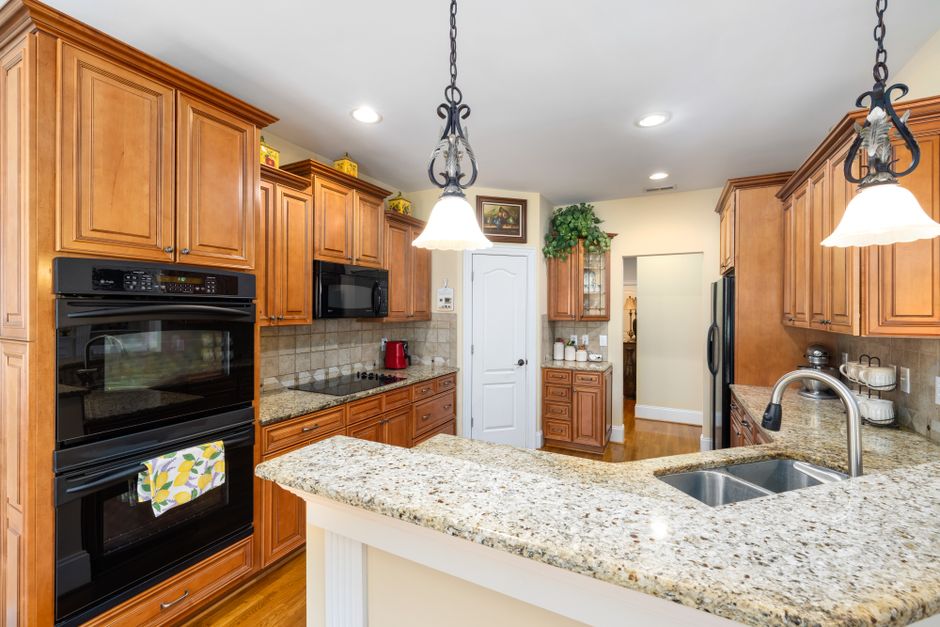
Granite is natural stone, and porosity varies from slab to slab. Some types stay dry under a splash of water, others darken within minutes. The darker, more open ones benefit from periodic sealing. Do not judge density by color. Drop water on a remnant from the same lot and watch how fast it darkens before deciding how often the sealer goes on.
Engineered quartz and heat
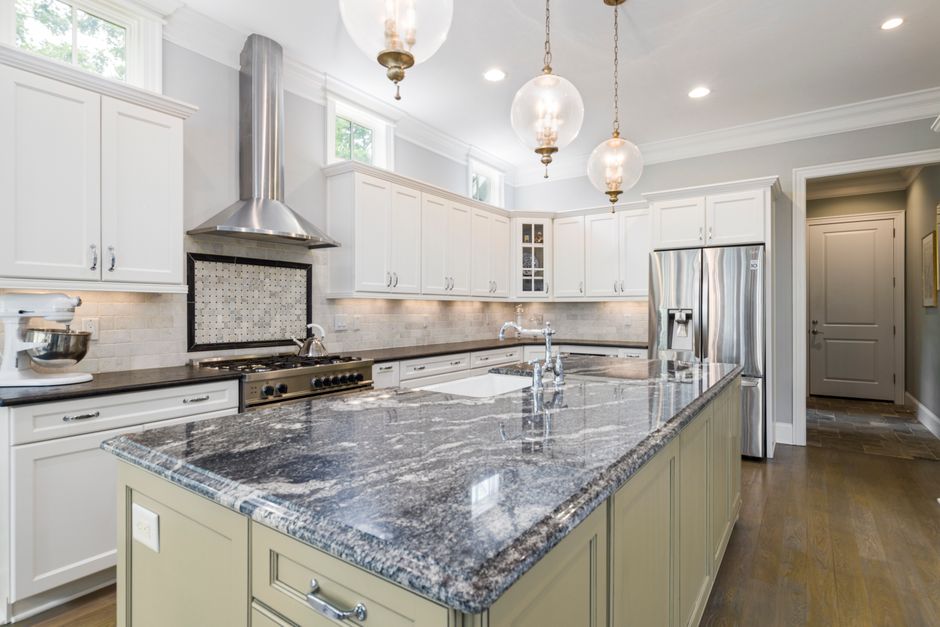
Engineered quartz is crushed quartz bound with polymer resin. The resin makes it nonporous, so stains sit on top and wipe off. The same resin is sensitive to direct high heat. A pan straight off the burner can leave a scorch ring or crack the surface near the cooktop. Use a trivet every time. Sunlight is the other problem. Long exposure can discolor the resin, so it is generally not suited for outdoor kitchens.
Marble and acids
Marble is mostly calcium carbonate, so lemon juice, vinegar and wine can etch the surface. An etch is a dull patch where the polish has been eaten away, not a stain. Marble can still work in a kitchen, particularly on a baking station or an island that sees light use. A honed finish hides etching far better than a polished one. Soapstone is the quieter alternative for people who want a soft, matte look.
Laminate, solid surface and butcher block
Laminate is a thin plastic layer bonded over a wood composite core, and the core swells if water reaches it. Watch the sink cutout and any open seam. Solid surface acrylic tops can be sanded and refinished to remove light scratches, which makes them forgiving in a busy house. Butcher block needs regular oiling with food safe mineral oil or a similar finish. Without it the wood dries out and cracks. Oil until the surface stops drinking it, then wipe off the excess.
Layout, edges and templating
The material is only half the job. Templating happens after the base cabinets are set and level, because a template taken early records a room that no longer exists. Seam placement should land away from the sink and cooktop, where movement and moisture concentrate. Overhang depends on the cabinet face and the seating, and an unsupported overhang on stone needs brackets. Edge profile matters for wear. An eased edge is the plainest and chips least, while a bullnose is softer in the hand. A waterfall edge uses a full height return, so the slab must be selected with the grain running the right way down the side.