How Louisville Weather Affects Countertop Installs
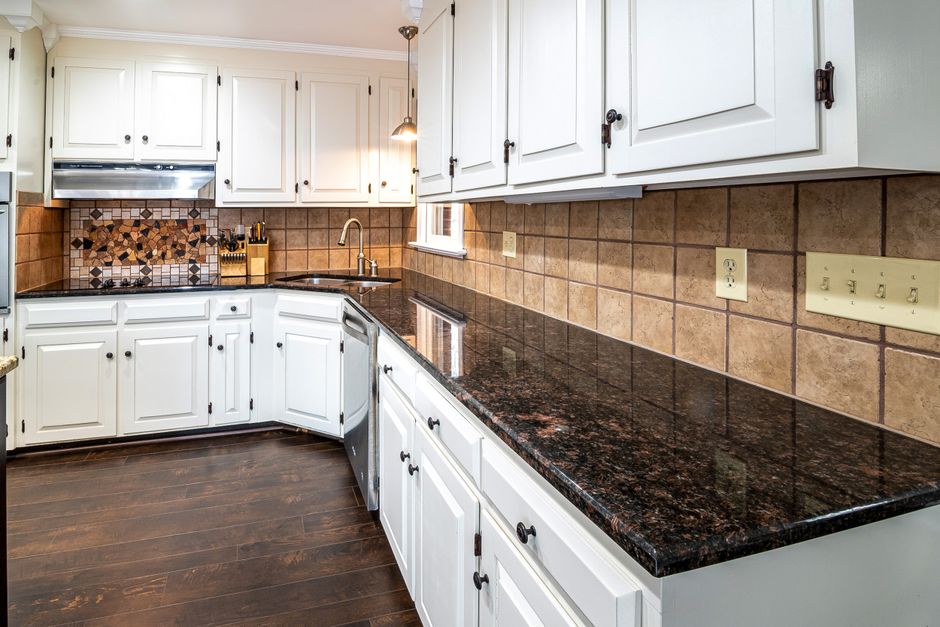
Two extra crew hours on a cold morning cost more than the tube of adhesive ever will, and the same holds for countertops in Louisville, KY, where weather sets the order of the day, as the notes at countertops louisville boulder yellow cab describe. Temperature, rain and indoor humidity each change how a job goes. None of them stop work, but each one changes the sequence.
Cold slows the cure
Epoxy and silicone cure more slowly in the cold. A kitchen that sits unheated for a week in January can leave a seam soft well past the time it should be firm, and a sink bond can lag the same way. The seam is the first place a cold room shows up, so the glue-up waits until the room is warm enough to work in.
Let the slab warm up
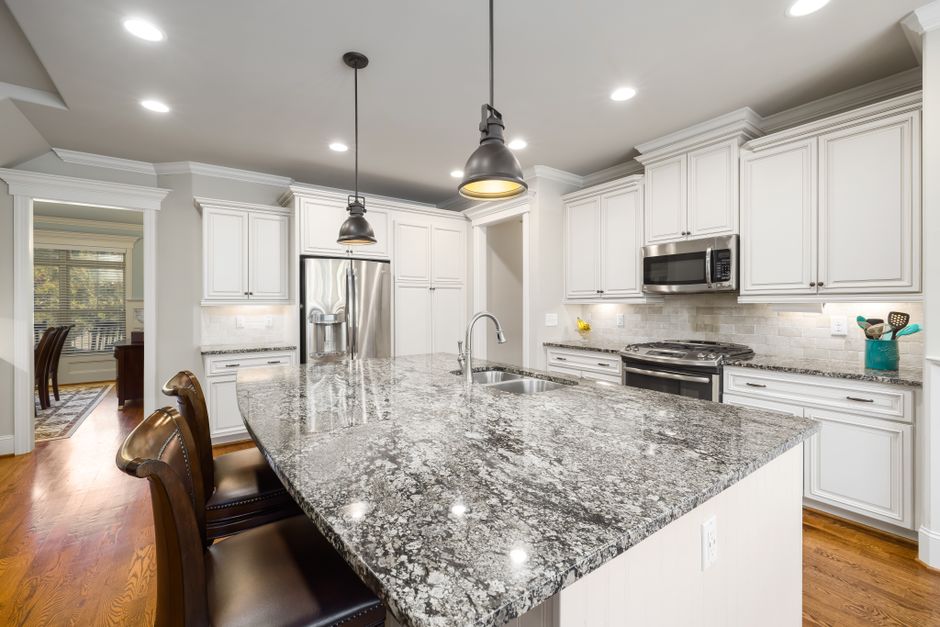
A granite or quartz slab hauled in on a freezing day carries that cold into the house. The slab is best left to warm toward room temperature before any seam is glued. Rushing it means the adhesive meets cold stone, and the seam placement you spent time on is then held by a bond that has barely started to set.
Rain, wet ground and the carry
Rain makes the walk from truck to door slower and riskier. Wet ground, slick steps and a heavy slab do not mix well. The crew shortens its steps, rests more often and takes the carry in stages. On a wet day the schedule gets padded, and a long slab may wait for a dry window instead of being forced through the door.
Wood moves with the seasons
Butcher block takes on moisture and gives it up. Humid Louisville summers swell it, and dry heated winters pull it back. Oil does not end that movement, it only slows how fast moisture gets in. Seal the top, the edges and the underside, because a face sealed on one side only absorbs unevenly, and uneven absorption is what leads to warping.
Humidity indoors
Indoor humidity changes how laminate adhesive and caulk tack up. On a damp day a bead skins over differently than it does on a dry one, and a wet room can leave a laminate edge slower to grab. Solid surface and stone are less fussy, but the caulk line at the backsplash is not. Steady indoor climate gives the same result from one job to the next.
Keep the house running normally
Run the heating or air conditioning as usual during the install and after it. Do not crank the heat to speed things up, and do not shut the house down because the kitchen is empty. Stable conditions let adhesives cure at their own pace. Templating is done in whatever weather the day brings, but the install date should fall on a day when the house can be held steady for the cure.