Why Countertops Crack, Stain or Swell
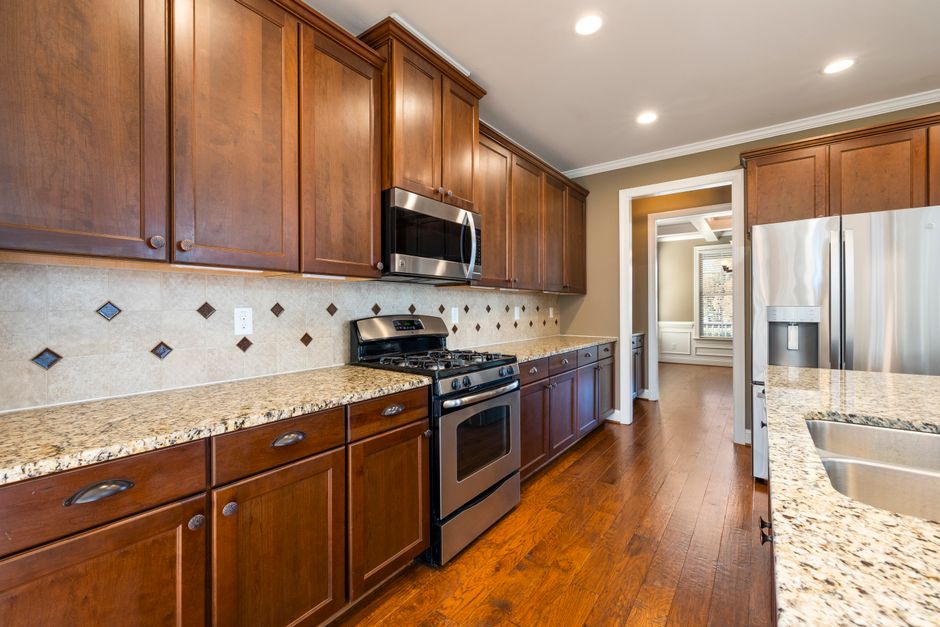
When the old top comes up off the base cabinets and a crack shows through the cutout corner, the first question is always whether the stone failed or the job around it did, and the answer in Louisville, KY is usually the second one. Failures on a countertop tend to read the same way once a person has pulled enough of them, and the diagnosis at countertops louisville boulder yellow cab is slower and more mechanical than a quick guess at the cause. What follows is the short list of problems seen most often across jefferson county kitchens.
Cracks at the sink and cooktop
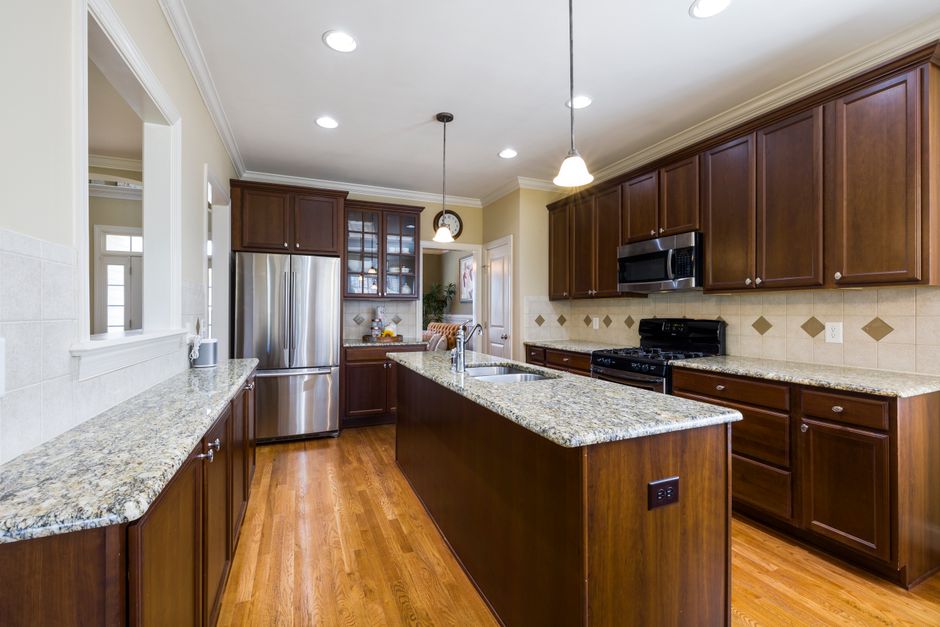
Cracks often start at sink and cooktop cutouts, because the stone is narrowest there and stress concentrates at the inside corners. A square corner with no radius gives the crack a place to begin. Not every crack means the slab was defective. Many trace back to how the piece was carried, clamped, or supported after the cutout was made.
Unlevel cabinets and flex
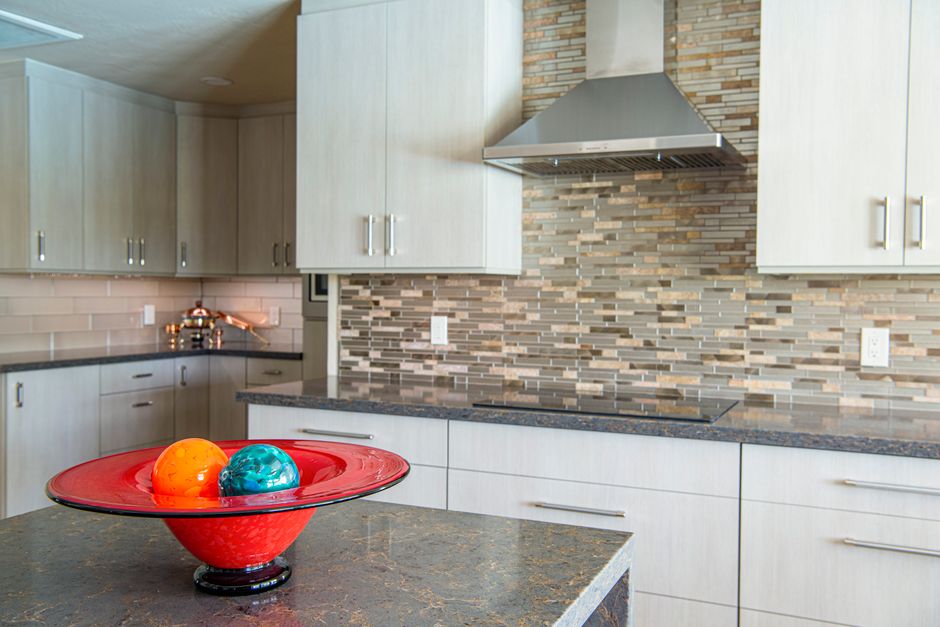
An unlevel or unsupported cabinet can let a slab flex until it cracks. Older homes with settled floors are the worst for this, since the run of boxes drifts out of plane over decades. Shimming the cabinets and checking with a long straightedge before templating costs an hour. Skipping it can cost the whole piece.
Lifted and visible seams
A seam that stands proud or opens up usually points to cabinet movement, or to a seam that was not pulled flush during setting. Good seam placement keeps joints away from the sink cutout and away from unsupported spans. Even then, the two edges have to be drawn together and held level while the adhesive cures.
Marble etching and granite staining
Dull spots on marble are usually etching from acid, and that is surface damage, not a stain. Wiping with cleaner does not bring the shine back, because the polish itself has been eaten away. It takes honing or repolishing. Granite is a different case. Oil and colored liquids can darken porous granite if the surface sealer has worn. Sealer slows absorption, but it does not make granite stain proof forever, and it needs renewing.
Heat and moisture damage
A hot pan set directly on quartz can scorch or crack the resin binder through thermal shock. The stone looks tough, but the resin is the weak part, so a trivet is the fix. Laminate near a dishwasher often swells because steam vents into the edge of the wood core. Once the core takes on water the swelling does not reverse, and the piece has to be replaced, ideally with the steam deflected or the exposed edge sealed.